Local health
Adjusting to Denver's altitude: a guide for new residents and visitors
At 5,280 feet, Denver has about 17 percent less oxygen per breath than sea level. Here is how to adjust comfortably.
Marcus Johnson, FNP-C5 min read
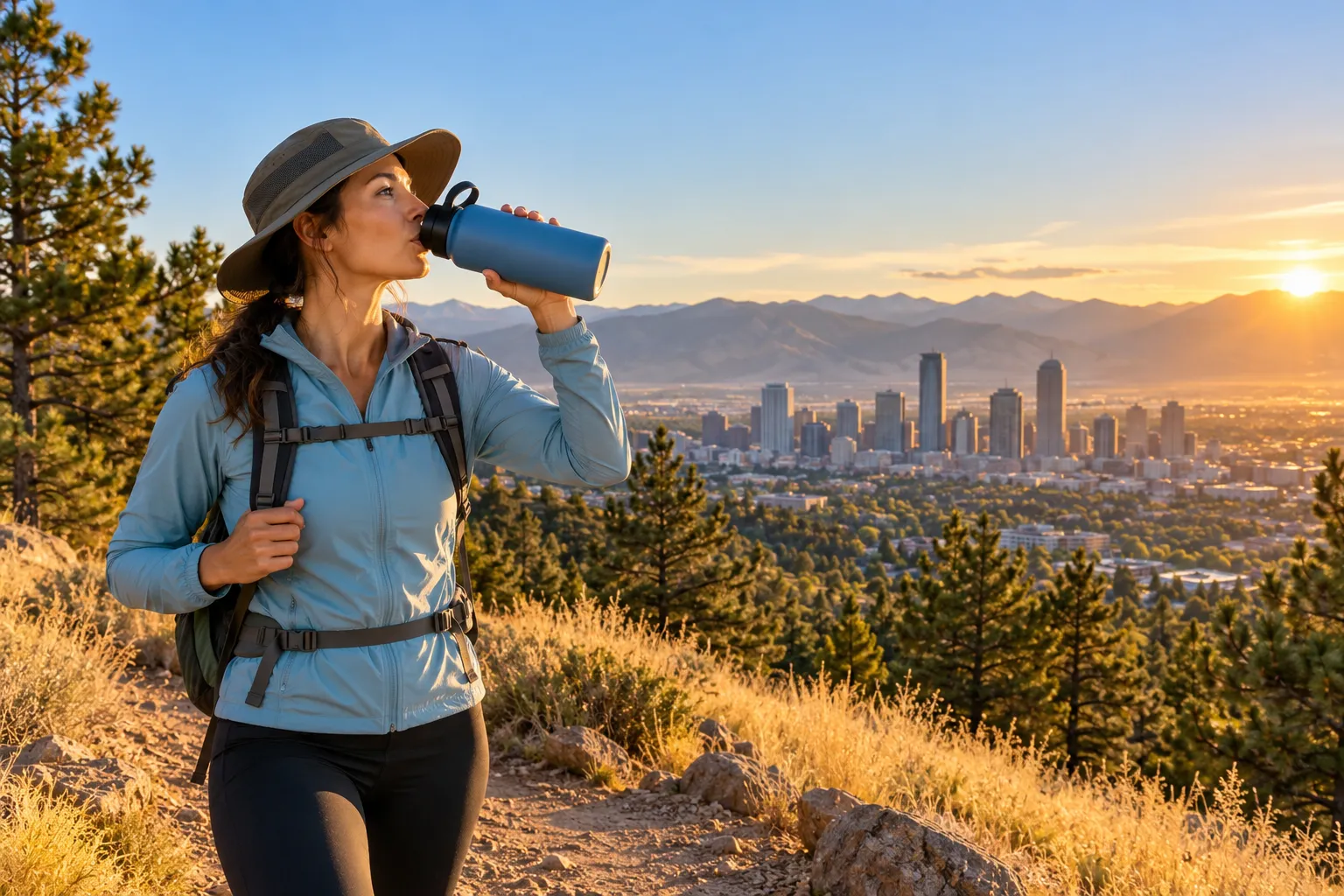
Every summer we see a steady stream of visitors and new arrivals with the same symptoms: a dull headache, poor sleep, feeling out of breath on the stairs and an unusual tiredness. Most of the time, it is the altitude. Denver sits at 5,280 feet, and the mountain towns many people head to next are at 8,000 to 10,000 feet.
The air at altitude holds the same percentage of oxygen, but at lower pressure, so each breath delivers less. Your body adapts by breathing faster and, over days to weeks, producing more red blood cells. Until it does, you may feel off.
Most healthy people adapt to Denver itself within a few days to a week. Full acclimatization, where your exercise capacity returns to normal, can take several weeks, so do not judge your fitness by your first run along Sloan Lake.
Common symptoms
Mild altitude sickness feels a lot like a hangover: headache, nausea, dizziness, fatigue and trouble sleeping. Symptoms usually start six to twelve hours after arrival and ease within two or three days. Dry air and strong sun add dehydration and sunburn to the mix.
How to adjust comfortably
- Drink more water than usual, aiming for an extra liter a day for the first week.
- Go easy on alcohol for the first 48 hours. It hits harder at altitude.
- Spend a night or two in Denver before heading higher into the mountains.
- Keep exercise light at first and build up over a week.
- Wear sunscreen even on cloudy days; UV exposure is about 25 percent stronger here.
- Eat regular meals with plenty of carbohydrates, which your body uses more efficiently at altitude.
Most altitude symptoms are your body asking for time and water. Give it both and it usually adapts within a few days.
When to see a clinician
Come in if symptoms get worse instead of better after two days, if you cannot keep fluids down, or if a headache does not respond to over-the-counter pain relief. Seek emergency care immediately for breathlessness at rest, a persistent cough, confusion or difficulty walking, as these can be signs of more serious altitude illness.
If you have heart or lung conditions, are pregnant or are planning high-altitude hiking, talk to your provider before your trip. A short telehealth visit can help you plan safely and, where appropriate, discuss preventive medication.