Food
How our kitchen follows the seasons
Chef Samuel Ortiz on building a menu around what the valley gives us each week, and three simple ideas to bring that approach home.
Samuel Ortiz5 min read
At most restaurants, the chef writes a menu and then orders ingredients to match. At the Larder we work the other way round. Every Monday, our farmers tell us what is ready, and then we write the menu. It keeps us honest, and it keeps us on our toes.
Over 80 percent of what we cook comes from within twenty miles. That means no tomatoes in February and no asparagus in September. It also means that when something is perfect, we use it everywhere.
The valley through the year
- Spring: ramps, nettles, asparagus, rhubarb and the first tender lettuces
- Summer: tomatoes, sweet corn, stone fruit, zucchini blossoms and herbs
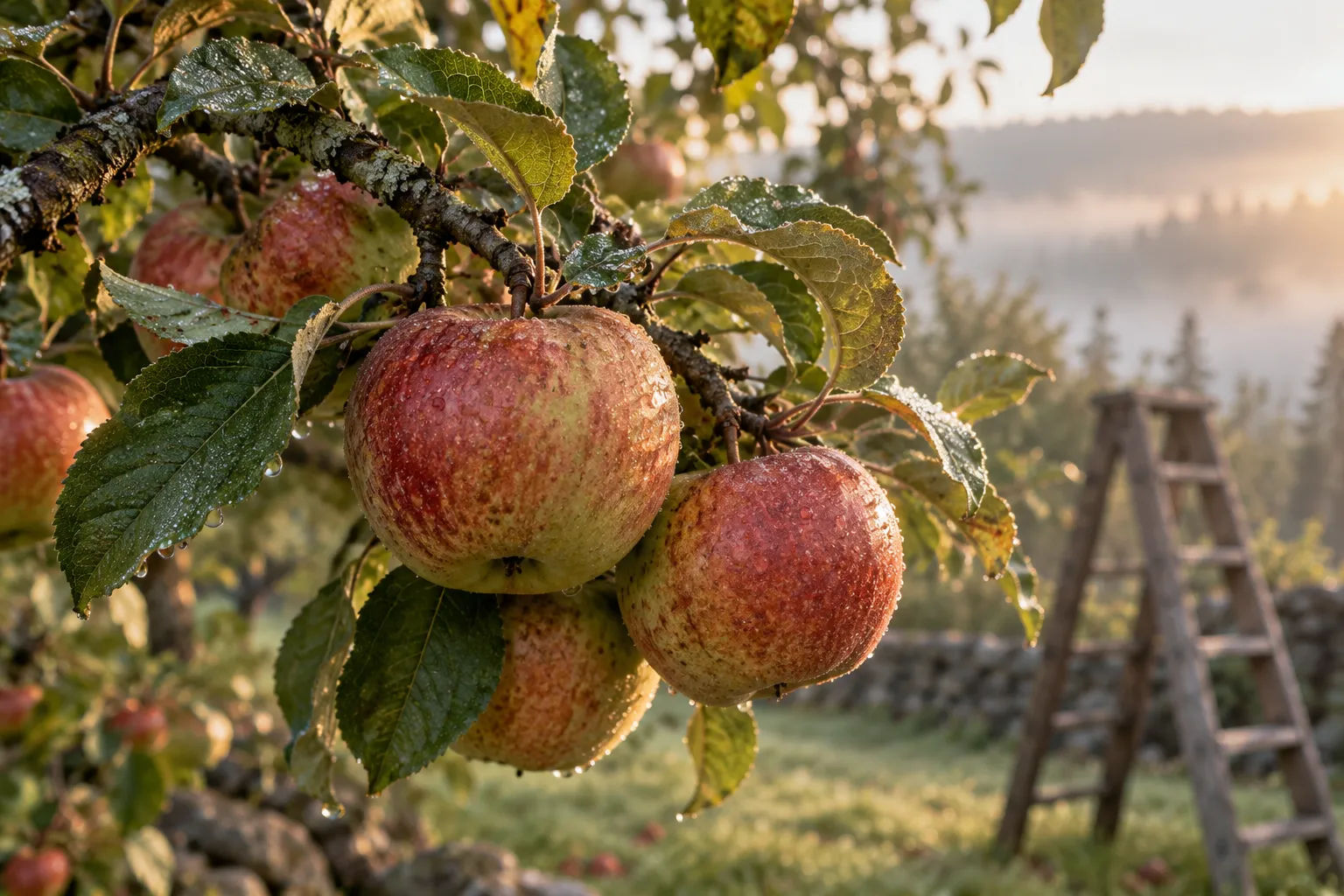
- Autumn: apples, squash, wild mushrooms, pears and root vegetables
- Winter: stored roots, cabbages, cured meats, aged cheese and preserves from the summer
Winter is the season most people imagine is hardest. For me it is the most creative. We spend August and September pickling, fermenting and drying, so that in January a plate of roasted celeriac can come alive with a spoonful of summer peach mostarda.
Cooking over fire
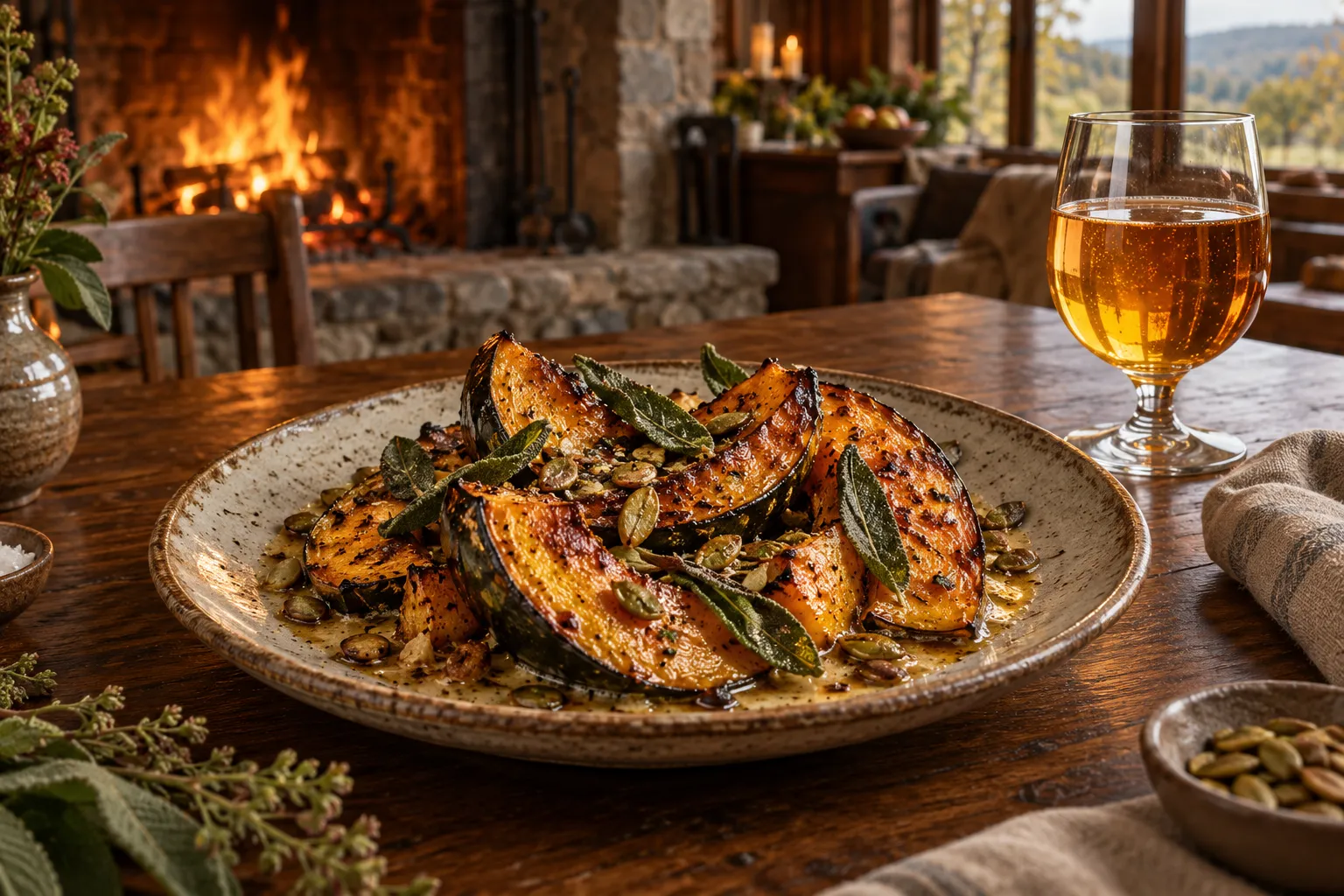
Almost everything at the Larder touches the hearth. We burn apple and oak from the farm. Fire adds a gentle smokiness that makes simple vegetables taste deeply savoury. A whole squash roasted in the embers for two hours is one of the best things we serve.
If an ingredient is at its peak, my job is mostly to stay out of its way.
Bringing it home
You do not need a hearth to cook this way. Start by visiting a farmers market before you plan your meals, not after. Buy what looks best and decide what to cook once you get home. Talk to the growers too; they will tell you what is about to come in and how they like to cook it.
Next, learn one preserving technique. Quick pickles take ten minutes and turn a glut of cucumbers or radishes into something you will enjoy for weeks. Finally, embrace repetition. When strawberries are perfect, eat them every day for three weeks. Then let them go until next June. That rhythm is what makes each season feel like a celebration.