At home
Seven habits that cut food waste at home
The average American household throws away hundreds of dollars of food a year. A few small habits from our warehouse crew can change that.
Denise Okafor4 min read
Food rescue is not only something that happens at loading docks. Households are actually the biggest source of food waste in the country, and most of it is fixable with habits rather than willpower. These are the ones our team swears by.
Shop and store smarter
- Shop your fridge first. Take a photo of the shelves before you leave for the store.
- Plan four dinners, not seven. Leftovers and real life will fill the rest of the week.
- Store produce properly. Keep apples away from leafy greens, and never refrigerate tomatoes, onions or potatoes.
- Use an eat-first box. A clear container at eye level for anything that needs to go soon.
- Learn the labels. Best-by means best quality. Use-by on fresh meat and dairy is the one to respect.
- Freeze early, not late. Bread, ripe bananas, cooked rice and herbs in oil all freeze beautifully.
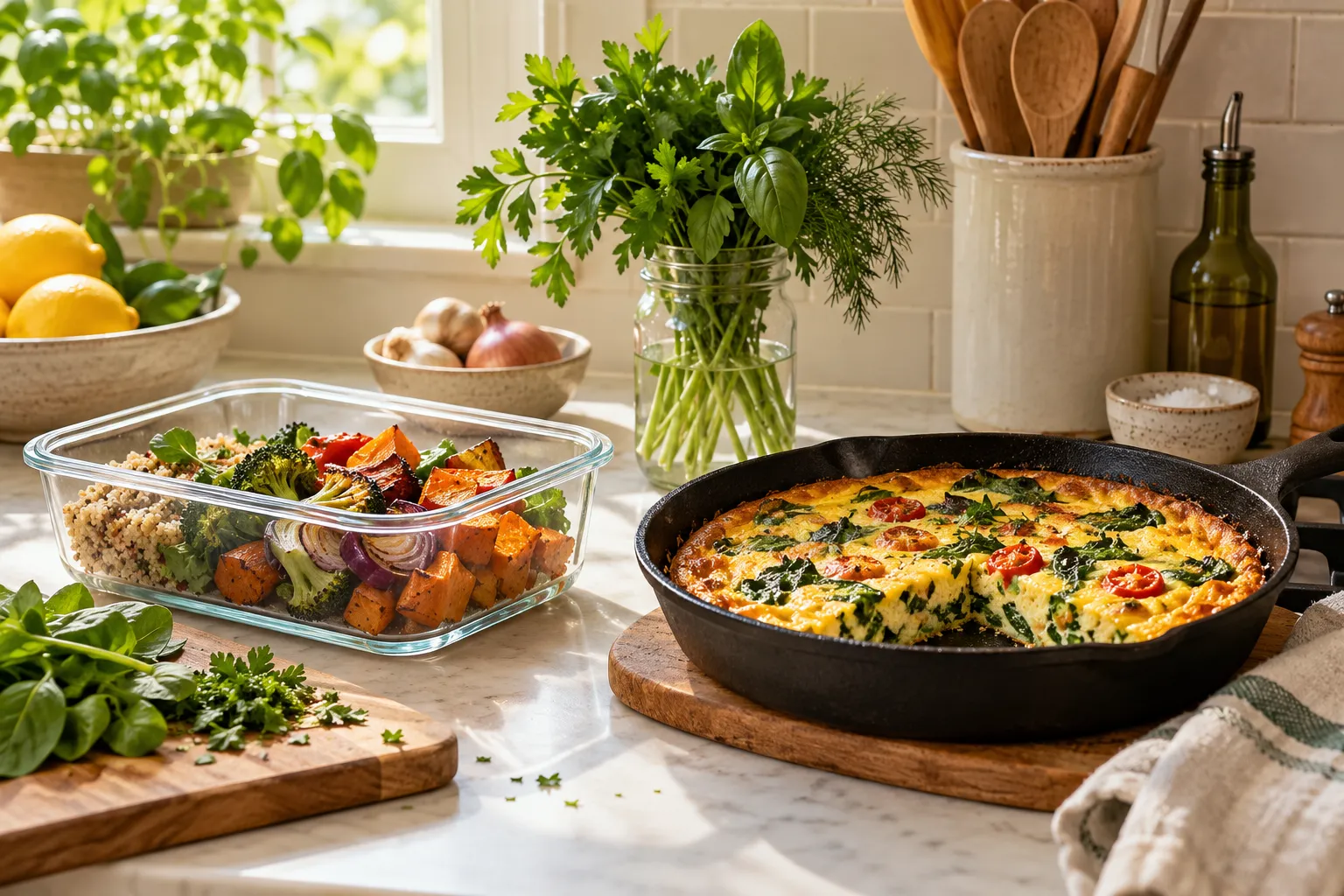
- Cook a clean-out meal once a week. Fried rice, frittata and soup were invented for this.
The eat-first box is the habit that changes kitchens fastest. When the half onion, the last two carrots and the open yogurt live together where you can see them, you plan meals around them without thinking.
Most food is not wasted because it went bad. It is wasted because we forgot it was there.
Trust your senses
Date labels are not federally regulated except on infant formula, and they mean different things to different manufacturers. For most shelf-stable foods, a date in the past simply means flavour or texture may have faded. Look, smell and taste a little. Crackers past their date are usually fine. Deli meat with a slimy surface is not.
When in doubt with high-risk foods like soft cheese, cooked rice, shellfish or anything for a pregnant person or young child, throw it out. Saving food should never mean taking a health risk.
What to do with what you cannot use
Going away? Moving house? Unopened shelf-stable food can go to a corner fridge or pantry near you. Scraps can go to the city compost drop-off program or a backyard bin. And if you find you are regularly over-buying, consider turning that money into a monthly gift. Fifteen dollars a month rescues about 45 meals for neighbours who need them.